


Ask a group of technical consultants to email the CFO of their current client and suggest a meeting. Watch the reaction. The dread is immediate, visible, and almost universal. I have seen it dozens of times.
The interesting question is not whether they are capable of having that meeting. Most of them are. The question is what gets in the way.
In my last article, I explored whether engineers make good consultants. The short answer is yes, with the right support at the right moments. This one picks up where that left off. As technical consultants become more senior, business development becomes an increasing part of their role. And many find that transition genuinely difficult, in a way they did not expect.
There are three common gaps they need close:
1. The Mindset Gap
The starting point is not skill. It is mindset.
A software salesperson who has been selling for years has developed a relationship with rejection. They have heard no enough times that it stops carrying much weight. For a technical consultant who has built their reputation on delivery excellence, that relationship does not exist. Being turned down, being exposed, putting yourself forward and being rebuffed: these feel like much higher-stakes moments.
And so the easier path is to stay close to the work already in front of you. Focus on delivery. Let the results speak. Hope someone notices.
The problem: hope is not a good sales strategy (more on that, here.)
The good news is that mindset is workable. When we run business development programmes for technical consultants, shifting mindset is usually the first conversation. Creating the right framing and environment to achieve the shift isn’t easy, but we have to get people to a place where they are willing to at least give business development a genuine attempt.
2. The Knowledge Gap
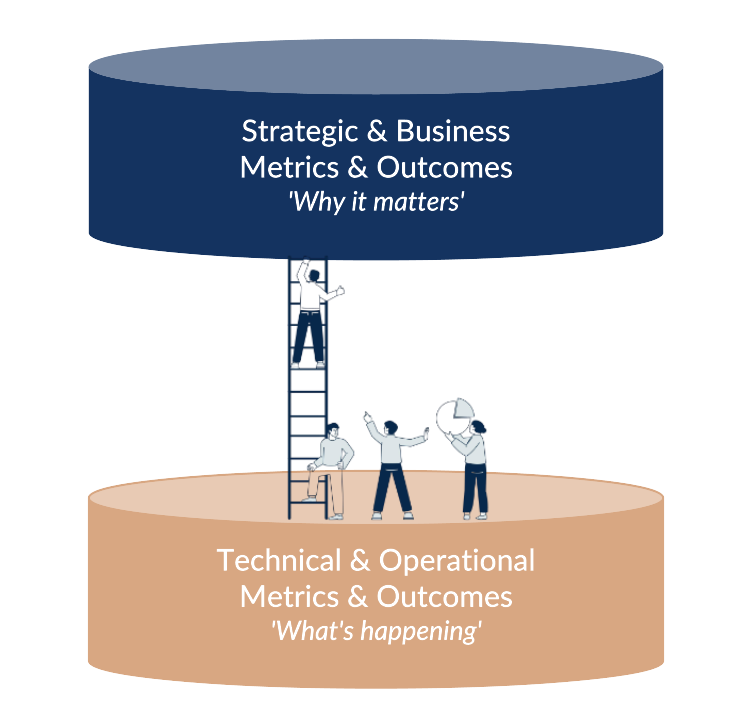
If someone has good structured thinking, strong communication, and solid analytical capability (which the vast majority of engineers do), they have most of what they need to sell consultatively. The next gap is usually knowledge: specifically, the ability to talk at a business outcome level rather than a technical one.
Technical consultants think and talk in technical terms. That is their natural register. But conversations with a CFO or a COO require a different vocabulary. Business risk, strategic priorities, organisational impact. These are the terms that land at that level.
The bridge between the two can be thought of as a benefit or metrics ladder. If a consultant has spent months reducing a client’s system downtime, or compressing the time it takes to complete a business process, that is a technical metric. This can be a comfortable place to stay. But what is the business outcome of that change? Faster time to market. Improved customer satisfaction. Risk mitigation. Revenue capture.
Being able to move comfortably up the ladder is a skill that can be practised. It makes a significant difference to confidence going into senior conversations when you can use the executive-level framing and language they are likely to respond to.
3. The Authority and Relationships gap
Ultimately, there are three things that drive consistent sales performance: delivery, relationships, and authority.
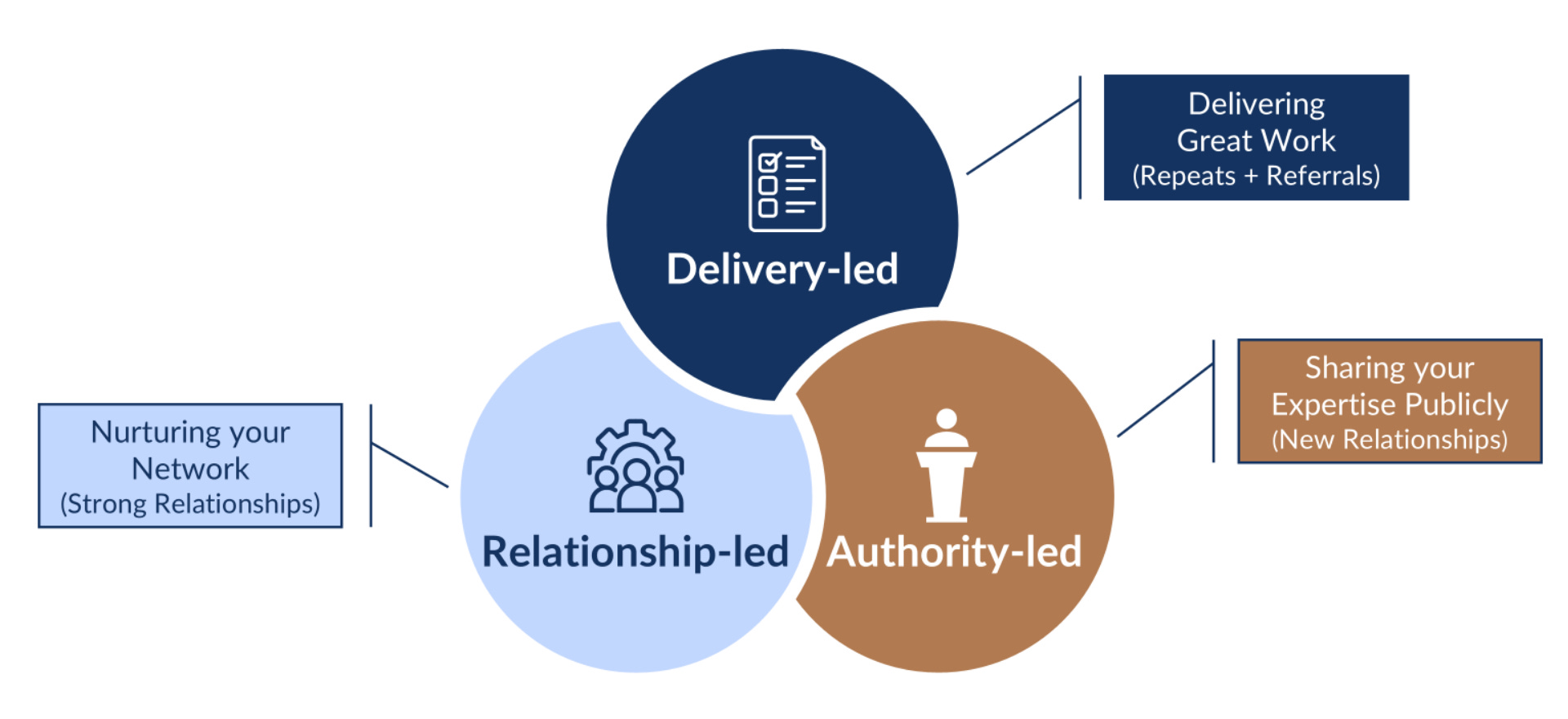
Technical consultants almost always have delivery covered. They have typically won work through excellent execution, natural follow-on projects, and client retention. But relationships and authority tend to be underdeveloped.
Authority is a function of both what you know and how visible you make that knowledge. Most technical consultants have earned the credibility. The problem is they do not publicise it. They do not post, they do not speak, they do not write. They know more than enough to be seen as an authority in their field, but they are largely invisible outside the accounts they work on.
Building personal brand feels uncomfortable to a lot of people. It can feel like self-promotion, like blowing your own trumpet. But done well, it is simply making your expertise visible. And it does not have to start with a keynote or a polished article. It can start with one connection request to a contact who has gone quiet, or one post on a topic where you have something genuine to say.
The key is to start small and build momentum. In my experience, once a technical consultant starts to see results from these activities, even modest ones, it becomes easier to continue. The initial barrier is usually just beginning.

So yes, engineers can make excellent consultative sellers. The raw material is almost always there: strong analytical thinking, genuine domain expertise, and the credibility that comes from years of delivery. What tends to be missing is a willingness to be seen, the ability to speak at a business outcome level, and some deliberate effort to build relationships beyond the immediate engagement.
These are all learnable. They require a different kind of practice from what technical consultants are used to, and they benefit from structured support. But for consulting firms with strong technical talent, developing that talent into effective business developers is one of the higher-return investments available.
If this challenge is familiar in your firm, I would be glad to talk through what we have seen work. Do get in touch.
Thank you for reading The Skilled Consultant. If you haven’t yet subscribed, please do so to receive all our articles direct to your inbox.
There are several other ways you can interact with Honeycomb Consulting Skills Training….
Connect with Deri Hughes (Founder & MD) on LinkedIn
Connect with Colin Mann (MD) on LinkedIn
Book a 30 minute intro call with Deri Hughes
Book a 30 minute intro call with Colin Mann
Stay informed about our free workshops and webinars - follow Honeycomb on LinkedIn or visit our website.